
How to Import Polyester Staple Fiber from China: A Practical Buyer’s Guide
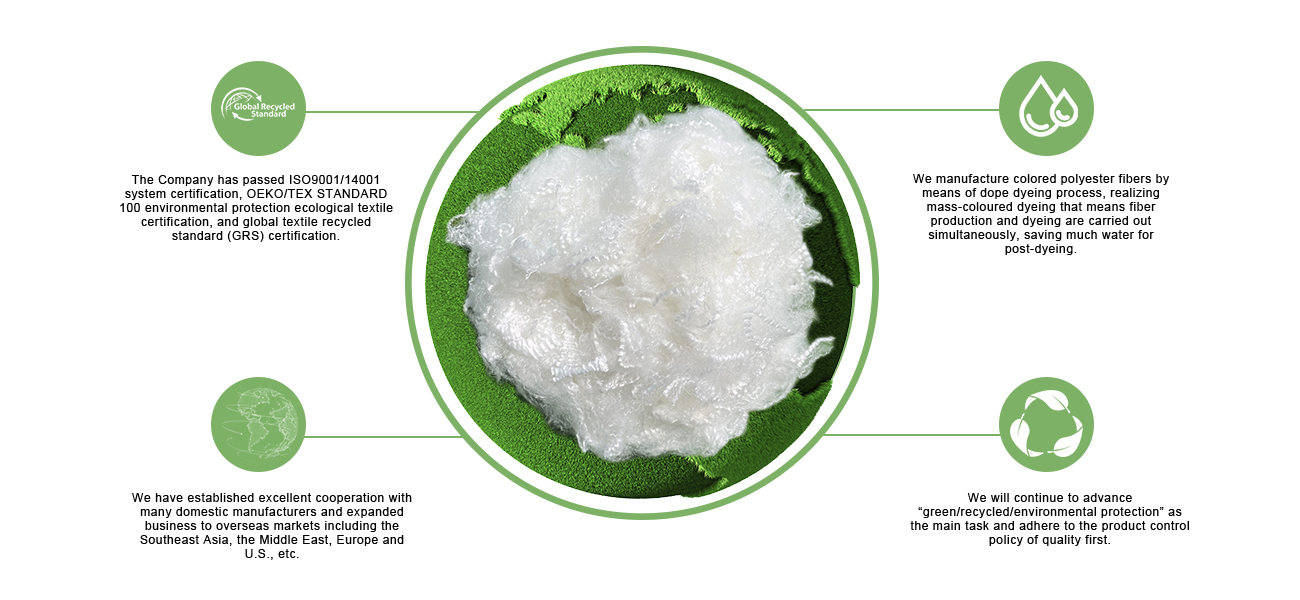
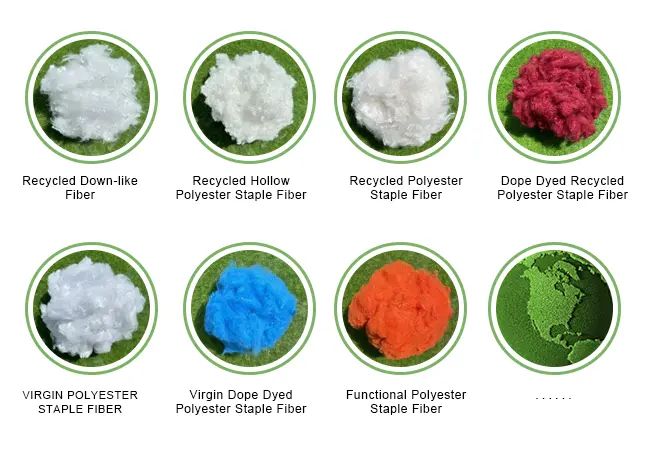
Polyester Staple Fiber, or PSF, is widely used in textiles, nonwovens, filling, filtration, furniture, automotive, and hygiene products. China supplies many PSF types, including virgin, recycled, hollow, solid, siliconized, non-siliconized, and flame-retardant fiber. Importing PSF from China can reduce costs and ensure a stable supply, but buyers should check specifications,
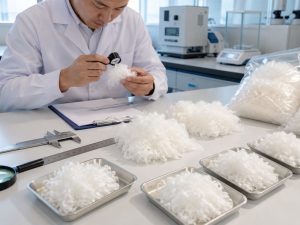
Polyester Staple Fiber Sample Testing Guide for Buyers
Polyester Staple Fiber, or PSF, is widely used in textiles, nonwovens, filling, filtration, geotextiles, hygiene products, and automotive interiors. For buyers, PSF quality affects production efficiency, product appearance, softness, strength, and durability. Hidden issues like uneven length, poor crimp, excess oil, high moisture, or contamination can cause mass production problems.
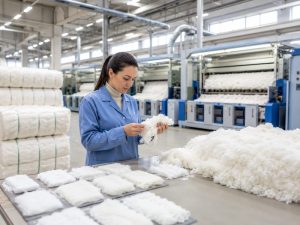
Polyester Staple Fiber for Textile Mills: Complete Procurement Guide
Polyester staple fiber is widely used in spinning, nonwoven, home textile, filling, and industrial textile production. For textile mills, choosing PSF is not only about price. The right fiber affects carding, yarn evenness, fabric strength, dyeing stability, efficiency, and customer satisfaction. Made from PET, polyester offers good strength, durability, wrinkle
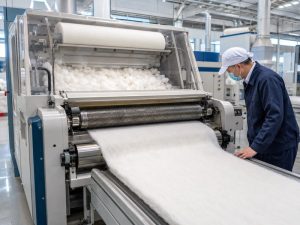
How to Solve Poor Carding Performance in Polyester Staple Fiber
Poor carding performance in polyester staple fiber usually results from unstable feeding, wrong settings, worn card clothing, static electricity, or poor fiber preparation. To solve it, check fiber quality, control moisture and static, adjust licker-in, cylinder, flat, and doffer settings, clean the carding area, and monitor sliver quality. Good carding
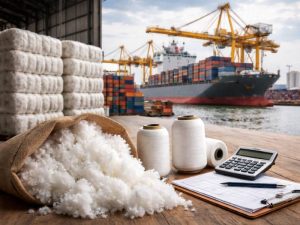
Importing Polyester Staple Fiber: Duties, Standards, and Logistics
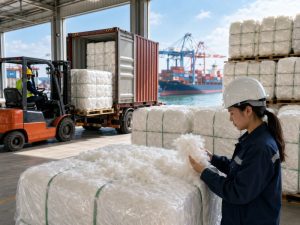
Polyester staple fiber (PSF) is widely used across industries, and growing demand drives many businesses to import it for stable supply and competitive pricing. This guide covers tariffs, regulations, documentation, and logistics to ensure efficient, delay-free imports. Overview of Polyester Staple Fiber Trade Polyester staple fiber falls under Chapter 55
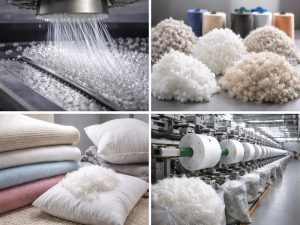
Custom PSF Solutions: Denier, Length, and Finish Options
Polyester Staple Fiber (PSF) is a highly versatile synthetic fiber used across textiles, nonwovens, automotive, home, and industrial applications. Its key advantage is customizability—parameters like denier, cut length, and finish can be engineered to achieve specific performance, aesthetics, and processing needs. These factors influence properties such as softness, strength, durability,